an offbeat
offering of
seven small
smorgasbords
as a feast for
the eyes now,
and lifelong food
for thought
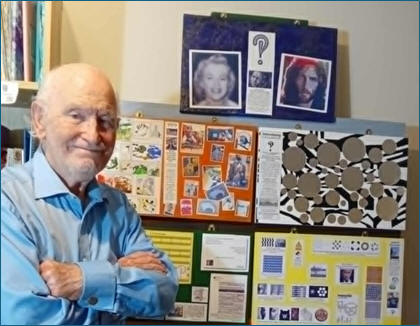
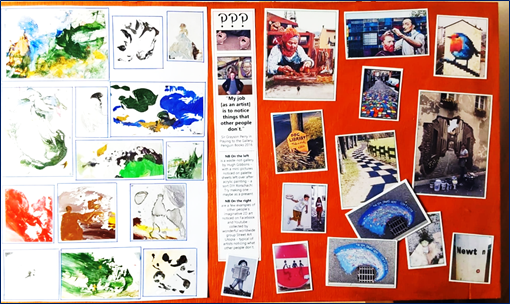
INTERROBANG is an unusual educational gallery put together with students and staff of schools and colleges in mind – now and way into the future.
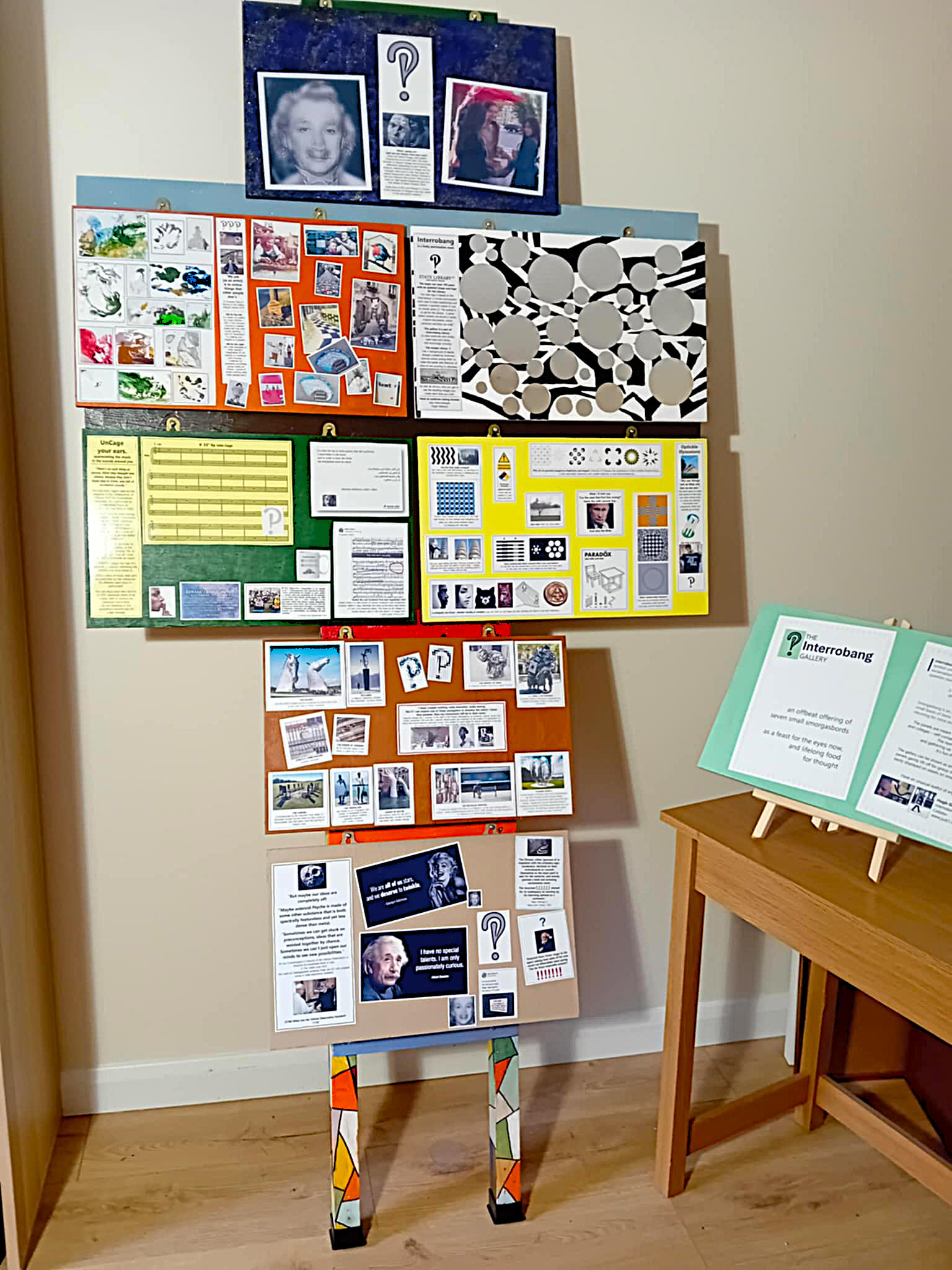
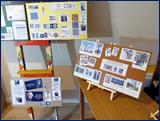
The seven plywood panels are displayed on a wooden frame that leans against a wall, a metre wide. They can easily be lifted off for use in classrooms, or be displayed on tables - a set of easels is ready.
And it's also available for use far and wide in an adjustable slideshow version to download, use or share - all free, btw, with no strings or advertising attached.)
Interrobang gets its name from the handy
punctuation symbol uniting the attention-seeking
shout of an exclamation mark and the
information-seeking voice of a question mark. It
seemed an apt name for this collation of all
sorts of examples of surprise and curiosity -
with some good humour and humanity.
Smorgasborg is
an apt term too – the panels are seven small
feasts of items on which can graze, maybe
returning for more study in a while. And recall
years later. The items have come from simply
noticing and gathering up, with some artful
arranging. It’s fun that that you might emulate,
btw.
The gallery is 200cm
high x 100cm wide, so just needs a little wall
space for its support frame to lean against. It
can be shown as an ensemble or distributed
display - the 50cm x 30cm panels gently lift off
for group discussion elsewhere or to be easily
displayed on easels on small tables.
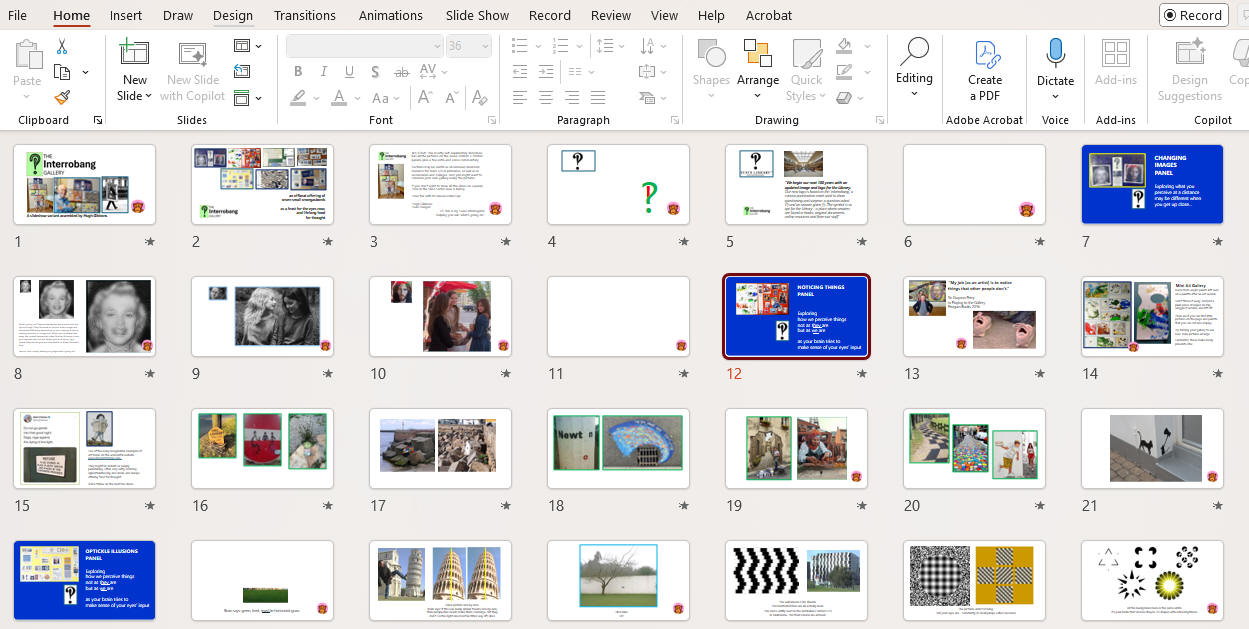
And for any school to use in classrooms, there's now an editable and adjustable Powerpoint slideshow version, with all the pictures (and some extras). See below.
Creator and collator of Interrobang.
Contact
Hugh at
hughgibbons@just1.org.uk
PS It's just one of his unusual galleries, as you can see
at
www.just1.org.uk/galleries
THE SLIDESHOW VERSION
is free and highly recommended for classrooms
or small groups anywhere
This show has all the pictures on the panels and a few extra, plus some commentary and a couple of useful links. So it's highly visual, meant to entertain as well as educate.
Each section is well separated to make it easy to select or modify.
Just click here or on the picture to download - the pptx file is about 50mb.
NB There's no advertising -
this is all free for you for you to download and
put to use. The only ask is to send me any
feedback on use or any advice -
just e-mail hughgibbons@just1.org.uk
with the HarkHive!
a rest-full lesson in
inactive
listening
for audiences of all sizes, anywhere, anytime.
As a spin-off from one of the Interrobang
panels, this is a crash course in learning how
to listen. Not actively listening to people talking, but in
appreciating the music in any of the many sounds
of any sort – slight or loud. It’s meant for you
to take away and put to use anywhere and
anytime, maybe in a organised gathering of any
size.
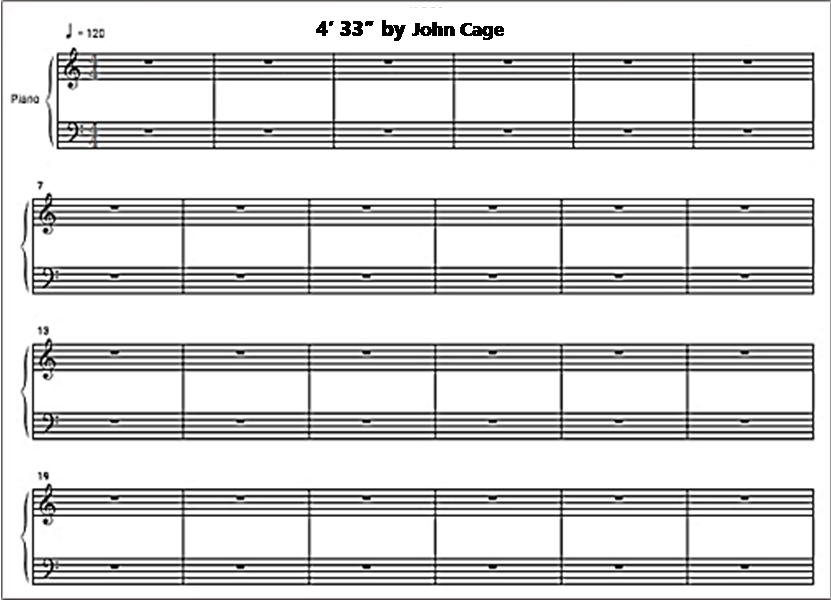
It’s also a tribute to the sideways-thinking composer John Cage. Cage saw silence as a way to attune audiences to the soundtrack of everyday life, to value all those unintentional sounds around us as music. John Cage’s works include 4’33”. This is literally restful - the score consists solely of rests. It instructs the performer not to play the instrument during the entire duration of the piece—four minutes, thirty-three seconds.
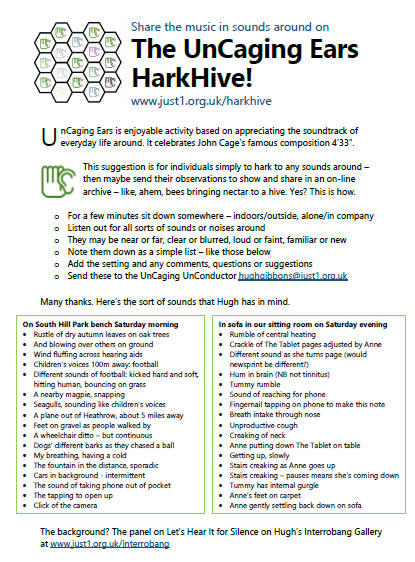
One version is for individuals simply to hark to sounds around – then maybe send their observations to show and share in an on-line archive – like, ahem, bees bringing nectar to a hive.
o
For about five
minutes sit down somewhere – indoors/outside,
alone/in company to compare what’s experienced.
o
Listen out for
all sorts of sounds or noises around. They may
be near or far, clear or blurred, loud or faint.
o
Note them down
as a simple list – like those below.
o
Add the
setting and any comments, questions or
suggestions.
o Send this to the UnCaging UnConductor hughgibbons@just1.org.uk
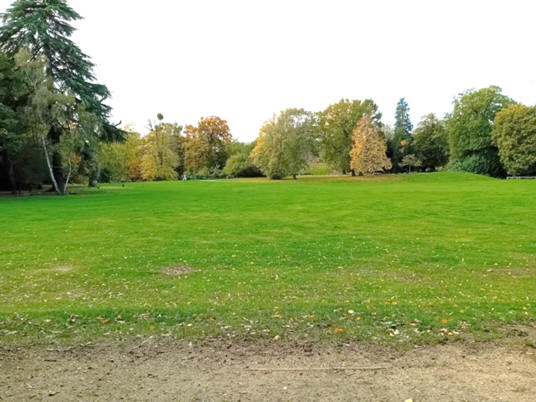
Uncaged Music heard on a community park bench on a Saturday morning
Rustle of dry autumn leaves on oak trees
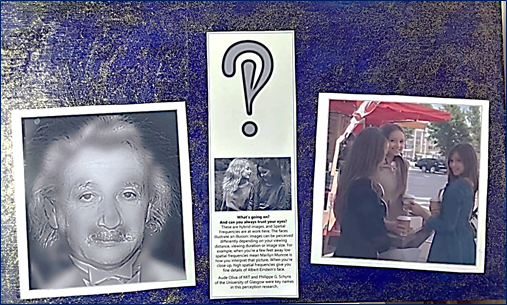
WHERE DID THEY GO?
This panel is meant as a Wow for anyone
approaching the gallery from the front. It’s
certainly got surprises and questions.
The images as first perceived get to change as
you get close up. So a hybrid image pioneered at
MIT means Marilyn Munro turns into Einstein, and
a man with a beard is three girls.
Spatial Frequencies lie behind this phenomenon.
Aude
Oliva of MIT and
Philippe G. Schyns of the
University of Glasgow
were key names in this research.
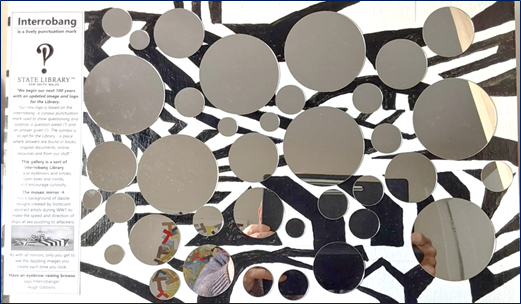
A DAZZLING MIRROR is the purpose of this panel made up of flat acrylic plates. The background comes from the dazzle effects created by Vorticist artists during WW1 as a way of making it difficult to gauge the speed and direction of ships at sea. The panel also has an explanation of the interrobang mark, and shows how its symbol been put to use by the State Library of New South Wales.
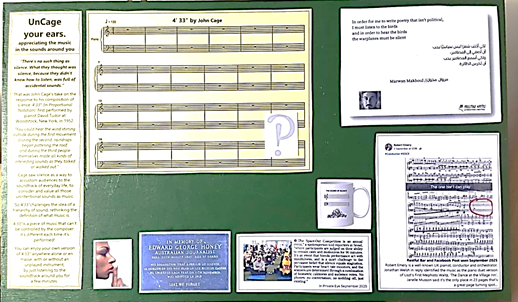
SILENCE IS AT THE HEART HERE.
There’s
an explanation and a page of John Cage’s
surprising 4’33”, a one-bar pause in a complex
piano score, a Private Eye item on Spaced-Out
Competitions, and someone who first suggested
silence on Remembrance Sunday. These might
encourage individuals or classes or groups to
appreciate the soundtrack around.
The poem speaks out loud.
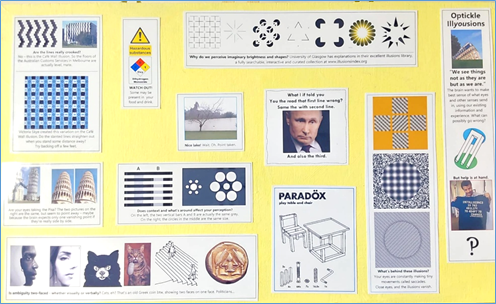
OPTICAL ILLUSIONS
are all across this panel. They include some
well-known examples such as The Café Wall
Illusion put to work by the architects of the
Customs HQ in Australia. Cats provide a laugh.
There’s an idea out of IKEA. And a puzzler for
Putin.
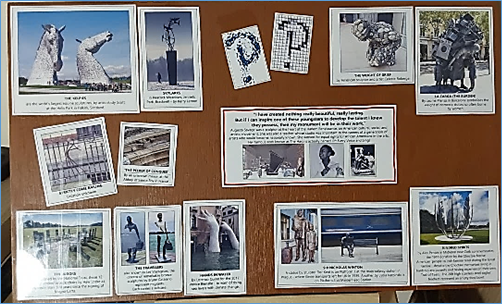
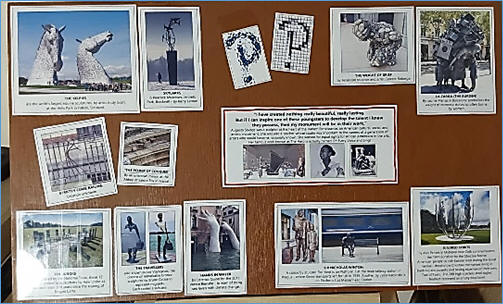
SCULPTORS AND PUBLIC ART
are celebrated on this panel. The include: The
Kelpies at Falkirk; Skylarks at Jennets Park in
Bracknell; The Weight of Grief, in the USA; The
Burden, in Barcelona; the work of Augusta Savage
in the USA; Kindred Spirits, in Cork; Sir
Nicholas Winton, on railway platforms in Prague
and Maidenhead; The Jurors, at Runnymede; The
Travellers; and Hands in Water, in Venice.